 English
  Arabic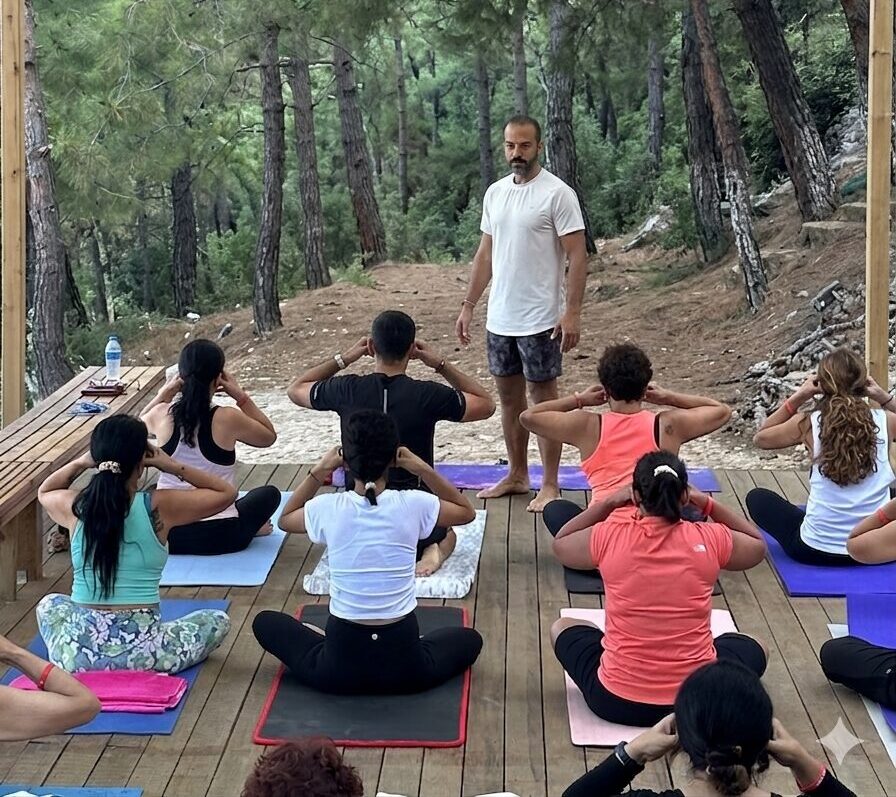
5 Physical Signs That Your Nervous System Is Crying for Help
Your body does not lie.
Your mind may convince you that you are “fine.” You may tell yourself that what you are feeling is just temporary tiredness, work stress, or “what everyone goes through.” But your body — your body always knows the truth.
Before you collapse, before you cry for no clear reason, before you find yourself snapping at someone you love over something small… your body has already tried to tell you, again and again.
But you did not listen.
Not because you did not want to, but because no one taught you how.
The Nervous System: The Silent Translator Between Your Soul and Your Body
Before we talk about the signs, let me explain something important:
Your nervous system is the bridge between what happens in your outer world and what you feel inside. When life feels calm and safe, your body enters a state called “rest and digest” — it breathes deeply, sleeps well, digests food properly, and feels connected.
But when stress starts to build up — responsibilities, deadlines, draining relationships, world news — your body enters “fight or flight” mode. It prepares to escape from a danger that is not actually there. And when this state lasts for months or years, the nervous system begins sending clear signals.
The problem? We have learned to silence them with painkillers, caffeine, or simply… by ignoring them.
Here are 5 signs your body may be sending you right now. Learn to read them before it has to scream.
Sign One: Your Shoulders Rise Toward Your Ears Without You Noticing
Do this now: take a deep breath and lower your shoulders.
Did you feel the difference? Were they lifted?
Most women live with tense shoulders all day without realizing it. This is not just “bad posture” — this is your nervous system in a constant state of alert. The body protects the heart and neck when it feels threatened, even if the threat is just an email you have not replied to yet.
What is your body saying?
“I am carrying more than I can handle, and I cannot find a moment to put the weight down.”
Simple exercise — 1 minute:
Sit comfortably. Lift your shoulders high toward your ears, squeeze strongly for five seconds, then release them suddenly with an audible exhale. Repeat three times. Notice how your body begins to remember what relaxation feels like.
Sign Two: You Breathe From Your Chest, Not Your Belly
Place one hand on your chest and one hand on your belly. Take a natural breath.
Which hand moved first?
If it was your chest, you are breathing shallowly — the breath of anxiety. Your nervous system believes you are in danger, so it speeds up your breathing and keeps it in the upper body, preparing you to run. And the more shallowly you breathe, the more you send your brain this message:
“We are in danger. Keep worrying.”
A closed loop that drains you without you even realizing it.
What is your body saying?
“I no longer remember what safety feels like.”
Simple exercise — 2 minutes:
Lie on your back and place a book on your belly. Breathe in slowly until the book rises for four seconds, hold your breath for two seconds, then exhale slowly for six seconds until the book lowers. A long exhale literally tells your nervous system:
“You are safe now.”
Sign Three: You Wake Up Between 2:00 and 4:00 AM
Do you fall asleep easily, then suddenly find yourself awake at 3:00 AM with endless thoughts racing through your mind?
This is not a coincidence. This timing is known in traditional Chinese medicine and is also connected to modern research around cortisol cycles. When your nervous system is in a state of alert, your body releases stress hormones at a time when you are supposed to be in your deepest sleep. So you wake up suddenly, with a racing heart and a mind that immediately begins remembering everything you have not done.
What is your body saying?
“I do not trust that tomorrow will be kind to me.”
Simple exercise — 3 minutes before sleep:
Sit on the edge of your bed and place your feet on the floor. Press your feet into the ground as if you are rooting yourself into it. Place your hands on your thighs and whisper to your body:
“Today is over. Nothing needs me now.”
Repeat for three minutes. This exercise is called grounding, and it helps close the cycle of alertness before sleep.
Sign Four: Your Jaw Is Tight, and You Grind Your Teeth While Sleeping
Do you wake up with jaw pain, a light headache around your temples, or has your dentist told you that you grind your teeth at night?
The jaw is one of the areas where the body stores suppressed emotions — the words you did not say, the anger you swallowed, the “no” that turned into “okay.” Every woman who has learned to swallow her opinion to keep the peace pays the price in her jaw.
What is your body saying?
“There are things you need to say, but you have not yet found the courage.”
Simple exercise — 1 minute:
Open your mouth as wide as you can, stick your tongue out strongly, and release a loud sound for five seconds. Yes, it may feel strange, but try it. Repeat three times. This exercise, known as Lion’s Pose in yoga, releases tension stored in the jaw, tongue, and throat.
Sign Five: You Feel Nothing — No Joy, No Sadness
This is the most dangerous sign because it is the most hidden.
If you are going through several days in a row feeling like “nothing” — no clear sadness, no real joy, no excitement, no anger — you are not in a state of “calm.” You are in a state of freeze.
Freeze is the third nervous system response after fight and flight. When the body can no longer fight or escape, it shuts the doors. You lose sensation as a protective mechanism. Life becomes dull, the days feel the same, and your emotions become buried under a thick layer of nothingness.
What is your body saying?
“I carried more than I could handle, so I had to turn everything off.”
Simple exercise — 2 minutes:
This needs gentleness. Place one hand on your heart and one hand on your belly. Do not try to feel anything. Just notice the warmth of your hands on your body. Whisper:
“I am here. I am with you.”
Repeat slowly. The goal is not to awaken your emotions suddenly, but to remind your body that it is not alone.
What Do You Do With All of This?
Reading this article is one step. Trying the exercises is another. But the truth that needs to be said is this:
An exhausted nervous system does not heal in one minute, and not through one exercise alone.
It needs exactly what your current life is missing: space, time, and the absence of demands.
It needs you to stop being useful for continuous hours. To sleep without waking up to the sound of your phone. To eat without thinking about the next list of tasks. To breathe deeply without being interrupted.
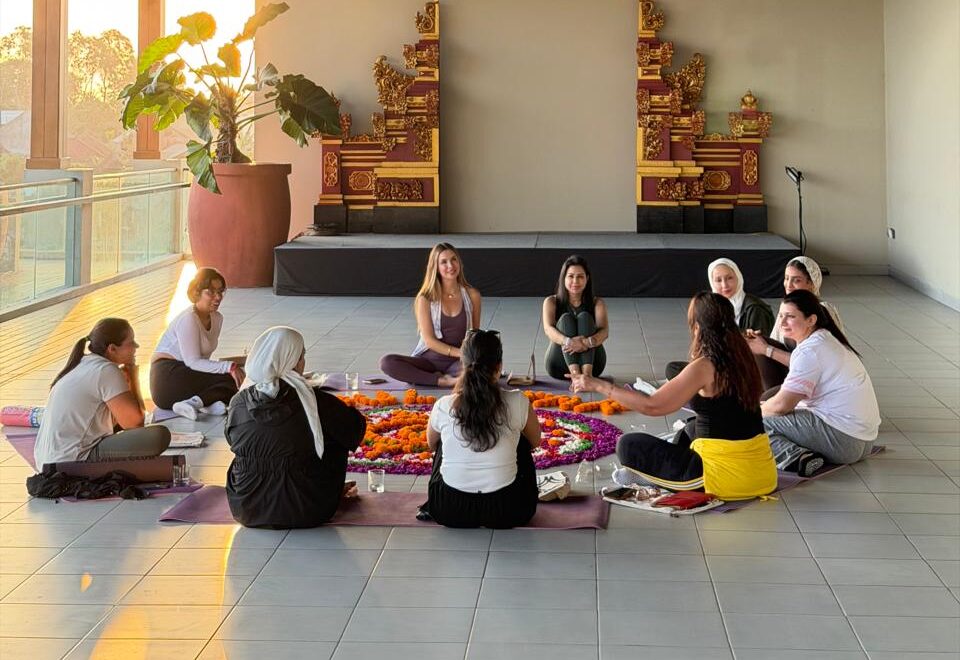
This is exactly what happens in a retreat. Not because it is a “luxury,” but because — maybe for the first time — it gives your nervous system the environment it needs to return to balance.
Eight days are enough for your body to remember what safety feels like. For your nervous system to come out of alert mode. For your breath to return to your belly. For your sleep to become deep. For your jaw to soften. And for your emotions to return — gently, without overwhelming you.
A Final Message
Your body is not an enemy that needs to be controlled. Your body is your oldest friend — the one that has accompanied you every day of your life, carried you through the hardest moments, and is still trying to speak to you.
All it asks from you is to listen.
Start today with one exercise. Tomorrow, try another. Notice what your body says when you give it space.
Then, when you are ready, give it more than one minute.
Give it eight days.
It will thank you for the rest of your life.
Discover our upcoming retreats through the following link.
https://soulstarretreats.com/links/